Essential Furnace Safety Tips for Winter
Even in Houston, winters can get chilly. Ensure your gas furnace is operating safely with these inspection tips.
While Houston winters are mild compared to northern climates, temperatures can still drop into the 40s and 30s, creating demand for heating systems. Gas furnaces, the most common heating source in Texas homes, require proper maintenance and safety protocols to prevent dangerous situations like carbon monoxide poisoning, fires, and explosions.
As Houston's safety-certified HVAC specialists, we've responded to numerous furnace-related emergencies. Our comprehensive safety guide helps homeowners protect their families during the heating season while ensuring efficient, reliable operation.
Carbon Monoxide: The Silent Killer
Carbon monoxide (CO) is a colorless, odorless gas that can cause severe illness or death. Faulty furnaces are a leading source of CO poisoning.
CO Safety Essentials:
- Detector Installation: Install CO detectors on every level of your home, near sleeping areas
- Battery Maintenance: Test detectors monthly and replace batteries twice yearly
- Detector Replacement: Replace detectors every 5-7 years per manufacturer recommendations
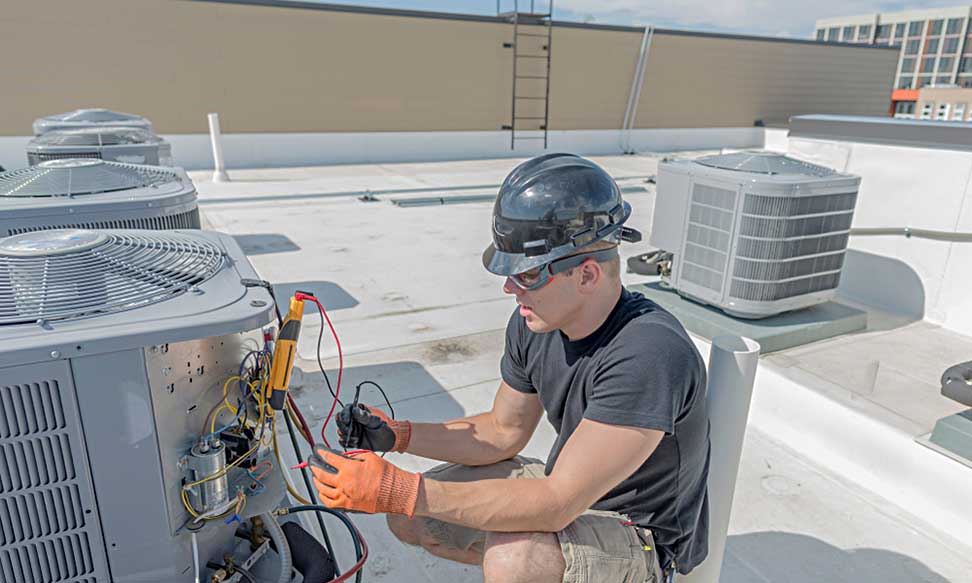
- Professional Testing: Have furnaces tested for CO emissions annually
CO Symptoms: Headaches, dizziness, nausea, confusion, and loss of consciousness. If you suspect CO exposure, evacuate immediately and call emergency services.
Annual Furnace Inspection: Prevention First
Professional inspection before winter ensures safe, efficient operation.
Inspection Checklist:
- Heat Exchanger Integrity: Check for cracks that could leak dangerous gases
- Gas Valve Function: Verify proper gas flow and shutoff mechanisms
- Electrical Components: Test wiring, switches, and safety controls
- Ventilation System: Ensure proper exhaust and fresh air intake
- Filter Condition: Clean or replace to maintain airflow and efficiency
Inspection Timing: Schedule fall inspection before first cold snap, typically October-November in Houston.
Proper Ventilation: Fresh Air is Critical
Modern homes are tightly sealed, requiring proper ventilation for safe furnace operation.
Ventilation Requirements:
- Combustion Air: Ensure adequate fresh air for complete fuel burning
- Exhaust Clearance: Maintain proper clearance from windows, doors, and fresh air intakes
- Vent Termination: Verify vents terminate safely outdoors, not near intakes
- Duct Integrity: Seal all ductwork to prevent negative pressure issues
Air Shutter Adjustment: Proper air-fuel mixture prevents dangerous gas accumulation.
Gas Line Safety: Preventing Leaks and Explosions
Gas lines require careful maintenance to prevent dangerous leaks.
Gas Safety Measures:
- Leak Detection: Install gas detectors with automatic shutoff valves
- Annual Testing: Professional pressure testing of gas lines and connections
- Shutoff Valve Access: Ensure gas shutoff is easily accessible and clearly marked
- Flexible Connector Inspection: Check for kinks, corrosion, or damage
Emergency Procedure: If you smell gas (rotten egg odor), evacuate immediately, don't use phones or lights, and call gas company from outside.
Electrical Safety: Preventing Fires and Shock
Furnaces have high-voltage electrical components requiring professional attention.
Electrical Safety:
- GFCI Protection: Install ground fault circuit interrupters for wet areas
- Proper Grounding: Ensure all components are properly grounded
- Wire Integrity: Check for frayed or damaged electrical wires
- Overload Protection: Verify correct circuit breaker sizing
Warning: Never attempt electrical work on your furnace yourself. Hire licensed electricians for any electrical issues.
Flue and Chimney Maintenance
Proper exhaust is essential for removing combustion byproducts safely.
Flue Maintenance:
- Annual Cleaning: Professional chimney sweeping removes creosote and debris
- Structural Inspection: Check for cracks, corrosion, or blockages
- Clearance Requirements: Maintain proper distance from combustible materials
- Damper Function: Verify damper opens fully and closes securely
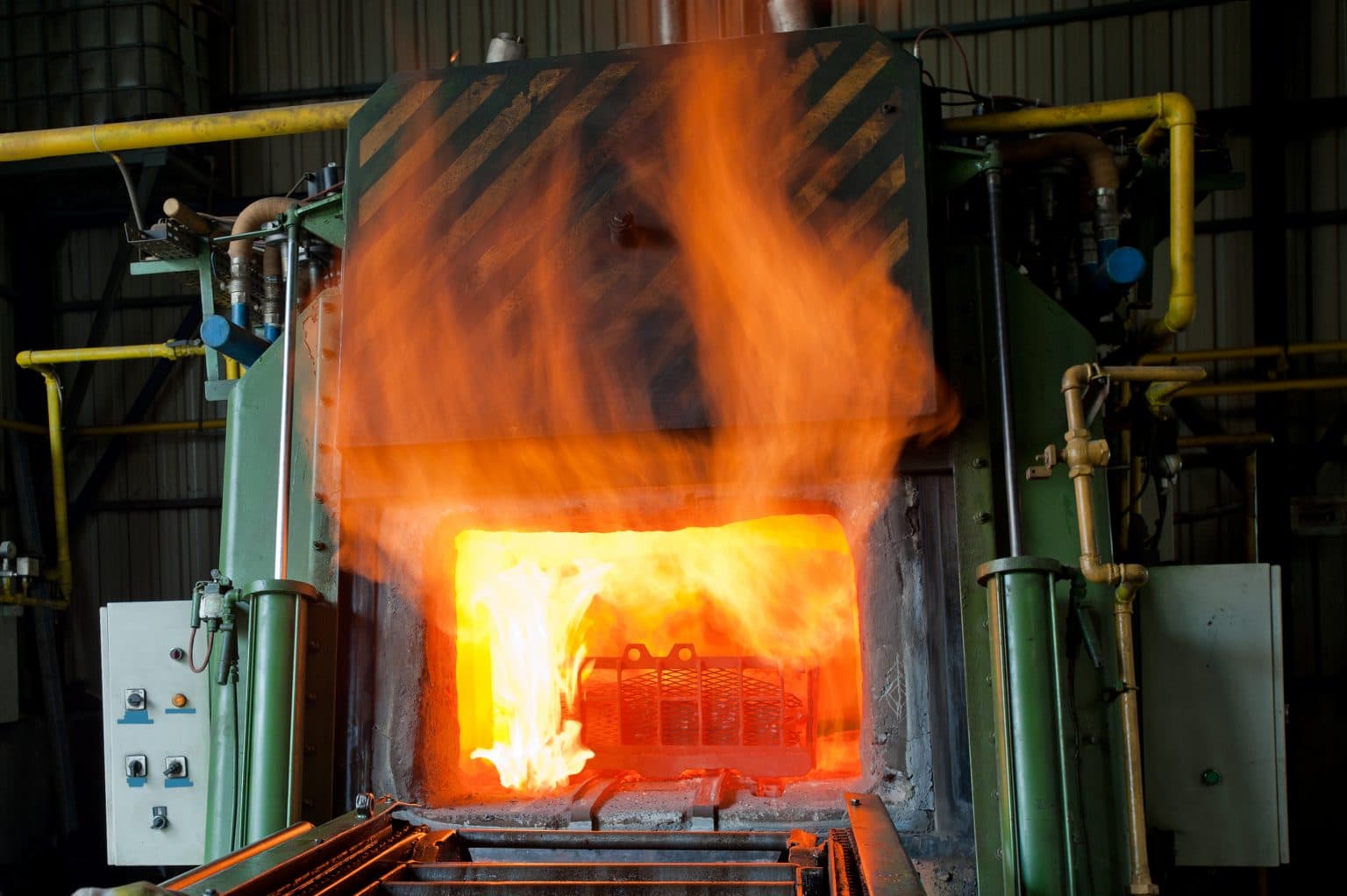
Blockage Signs: Yellow flames, excessive soot, or backdrafting indicate flue problems requiring immediate attention.
Thermostat Safety and Efficiency
Proper thermostat setup prevents safety issues and maximizes efficiency.
Thermostat Guidelines:
- Temperature Settings: Set to 68°F during day, 60°F at night when unoccupied
- Programmable Features: Use setback thermostats to reduce energy use
- Location: Mount away from heat sources, drafts, and direct sunlight
- Regular Calibration: Check accuracy against separate thermometer
Smart Thermostats: Modern units include safety features like remote monitoring and automatic shutoff.
Emergency Preparedness
Even with proper maintenance, emergencies can occur. Be prepared.
Emergency Preparedness:
- Family Plan: Establish evacuation routes and meeting points
- Emergency Kit: Include flashlights, batteries, first aid, and warm clothing
- Contact List: Keep emergency numbers and service provider contacts handy
- Alternative Heating: Have space heaters and blankets available
- Insurance Information: Keep policy details accessible
Emergency Contacts: Gas company (emergency), fire department, and HVAC service provider.
Recognizing Warning Signs
Early detection of problems prevents dangerous situations.
Danger Signals:
- Unusual Odors: Gas smells, burning insulation, or excessive dust
- Visual Signs: Yellow flames, excessive soot, or rust/corrosion
- Performance Issues: Frequent cycling, reduced heating, or unusual noises
- Health Symptoms: Headaches, nausea, or flu-like symptoms when home
Action Required: Any warning signs require immediate professional investigation.
Seasonal Maintenance Schedule
Consistent maintenance prevents winter problems.
Maintenance Timeline:
- Fall Preparation: Full inspection and cleaning
- Monthly Checks: Filter changes, visual inspections, and performance monitoring
- Mid-Winter Review: Performance assessment and adjustment
- Spring Cleanup: Post-season inspection and storage preparation
DIY Tasks: Filter changes, thermostat checks, and detector testing can be done monthly by homeowners.
Age and Replacement Considerations
Older furnaces pose greater safety and efficiency risks.
Replacement Indicators:
- Age Over 15 Years: Consider replacement for safety and efficiency
- Frequent Repairs: Annual costs exceeding 10% of furnace value
- Low Efficiency: AFUE ratings below 80% waste energy and money
- Unavailable Parts: Difficulty sourcing replacement components
Modern Safety Features: New furnaces include advanced safety controls and monitoring systems.
Professional Service Requirements
Certain furnace tasks require licensed professionals.
Professional-Only Services:
- Gas Line Work: Licensed plumbers or gas fitters only
- Electrical Modifications: Licensed electricians required
- Combustion Analysis: Advanced testing for gas appliances
- System Modifications: Any structural changes to furnace setup
Certification Required: All work must comply with local codes and manufacturer specifications.
Cost Considerations and Budgeting
Safety investments provide long-term value and peace of mind.
Cost Breakdown:
- Annual Inspection: $75-150 for professional service
- CO Detectors: $25-50 each, replace every 5-7 years
- Filter Replacement: $50-100 quarterly for quality filters
- Emergency Repair Fund: Set aside 5-10% of furnace value
Return on Investment: Preventive maintenance typically saves 3-5x its cost in avoided repairs and energy waste.
Houston-Specific Safety Considerations
Houston's climate and construction present unique safety challenges.
Local Factors:
- Humidity Impact: Increases rust and corrosion on metal components
- Construction Activity: Nearby building can affect ventilation
- Flood History: Water damage can compromise electrical safety
- Urban Density: Higher risk of gas line issues in older neighborhoods
Local Resources: Houston has strict building codes requiring annual furnace inspections in many areas.
Get Your Furnace Safety-Ready Today
Don't risk your family's safety during Houston's winter months. Contact HVAC Repairs of Houston for comprehensive furnace safety inspection and maintenance.
Our Safety Services Include:
- Complete furnace safety inspection and testing
- Carbon monoxide detector installation and calibration
- Gas leak detection and pressure testing
- Ventilation system verification
- Emergency preparedness consultation
- 24/7 emergency response availability
Call to Action: Protect your family from winter heating hazards. Schedule your furnace safety inspection today at (281) 555-HVAC and heat safely through the season.
Safety first. Professional maintenance prevents dangerous situations.
Written by Safety Officer
Safety compliance specialist at HVAC Repairs of Houston with expertise in gas appliance safety, carbon monoxide prevention, and regulatory standards.